In today’s hyper-connected world, our devices are both a blessing and a curse. Smartphones, laptops, and constant notifications can make it feel like work never ends, leaving little room for relaxation or meaningful focus. Over the years, I’ve experimented with digital routines and tools, learning firsthand how to reclaim control and achieve both productivity and personal well-being. A smart digital lifestyle isn’t about avoiding technology—it’s about using it intentionally to improve focus, efficiency, and balance.
Why a Smart Digital Lifestyle Matters
Without deliberate habits, digital distractions can lead to:
- Decreased focus – Constant notifications and multitasking fragment attention.
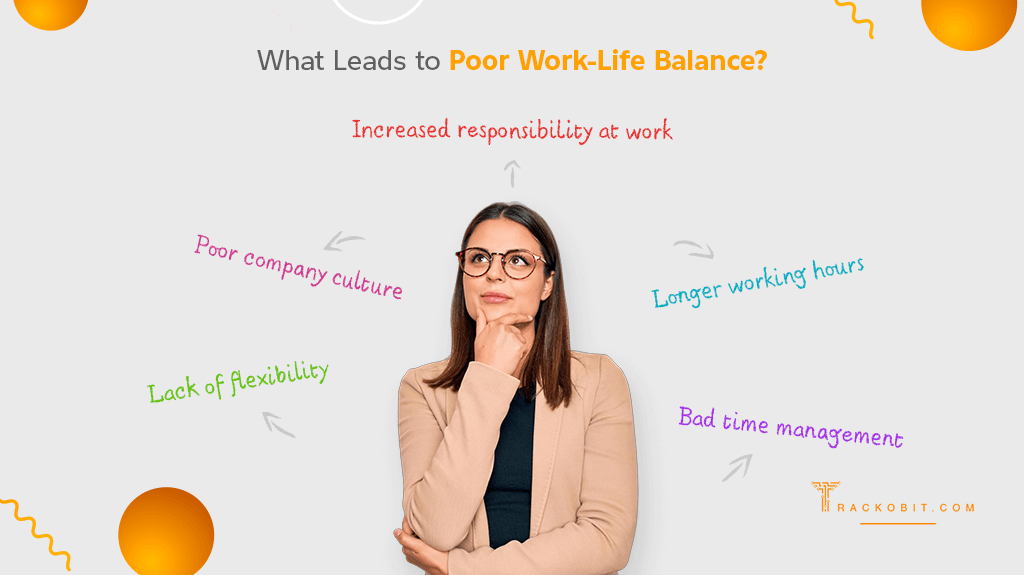
- Work-life imbalance – Checking emails late at night blurs boundaries between work and personal life.
- Mental fatigue – Information overload drains energy and creativity.
Adopting a smart digital lifestyle allows you to:
- Gain uninterrupted focus for deep work.
- Set boundaries between work and personal time.
- Use technology as a tool, not a distraction.
1. Assess Your Digital Habits
The first step to a balanced digital lifestyle is understanding how you currently use technology. I started by tracking my screen time and app usage for a week. Here’s what helped:
- Screen time apps: Use built-in tools like iOS Screen Time or Android Digital Wellbeing to see daily usage.
- Identify triggers: Notice which apps or notifications pull you away from meaningful tasks.
- Categorize usage: Separate apps into work, learning, and leisure.
Pro Tip: Awareness is the foundation. You can’t improve what you don’t measure.
2. Set Clear Work and Personal Boundaries
A common challenge in a digital world is that work never really ends. I learned to protect personal time by creating firm boundaries:
- Designate “work hours”: Stick to defined start and end times, even if working remotely.
- Separate devices: Use a work laptop for professional tasks and a personal device for relaxation.
- Turn off notifications after hours: Silence email and messaging apps in the evening.
Real-life Example: I now avoid checking Slack after 7 PM. The first week felt strange, but my evenings became much more relaxing and restorative.
3. Optimize Your Workspace for Focus
Distractions aren’t just digital—they’re physical too. I transformed my workspace to support deep concentration:
- Minimalist desktop: Keep only essential apps and documents open.
- Physical environment: Ensure good lighting, ergonomic chair, and clutter-free desk.
- Browser tab management: Extensions like OneTab or Toby prevent tab overload and help maintain focus.
A tidy digital and physical workspace improves mental clarity and efficiency.
4. Use Productivity Tools Wisely
Technology can enhance focus when used intentionally. I rely on a few key tools:
- Task management: Apps like Notion or Todoist keep work organized and prevent overwhelm.
- Focus timers: Pomodoro apps or Forest help maintain attention with structured intervals.
- Automation: Tools like Zapier automate repetitive tasks, freeing up mental bandwidth.
Tip: Avoid overloading yourself with too many productivity apps; simplicity is more effective.
5. Implement Mindful Digital Practices
Mindfulness isn’t just for meditation—it can extend to how you use technology. I adopted these practices to reduce digital stress:
- Single-tasking: Focus on one task at a time instead of juggling multiple apps or tabs.
- Scheduled breaks: Step away from screens regularly to refresh your mind.
- Digital detox periods: Designate times, such as evenings or weekends, without social media or email.
Mindful digital habits improve attention span, creativity, and emotional well-being.
6. Manage Notifications Effectively
Notifications are productivity killers if left unchecked. I drastically reduced distractions by:
- Prioritizing alerts: Only essential messages from work or family get notifications.
- Batch-checking: Set specific times to check emails or social media.
- Use “Do Not Disturb” mode: Silence non-urgent alerts during deep work sessions.
This approach helped me reclaim hours of undistracted focus each week.
7. Leverage Smart Automation
Automation isn’t just for work tasks—it can enhance personal life too. Some practical examples I use:
- Email filters: Automatically categorize newsletters, bills, and personal emails.
- Smart home routines: Automate lighting, heating, or reminders using Alexa or Google Home.
- Recurring reminders: Schedule recurring tasks like grocery shopping, workouts, or bill payments.
Automation frees your mind for higher-value work and personal time.
8. Optimize Digital Communication
I realized that constant messaging and emails were a major stress source. Improving communication reduced interruptions:
- Use clear subject lines: Helps prioritize emails quickly.
- Batch communications: Respond to non-urgent messages at set times.
- Choose the right platform: Reserve instant messaging for urgent matters; emails for detailed communication.
Efficient digital communication preserves both focus and energy.
9. Integrate Wellness Apps
A smart digital lifestyle isn’t only about productivity—it’s about health. I’ve started using digital tools to support well-being:
- Meditation apps: Calm or Headspace help reduce stress during breaks.
- Fitness trackers: Remind you to move and track daily activity.
- Sleep trackers: Encourage better rest by analyzing patterns and suggesting improvements.
Well-being directly impacts focus, energy, and work-life balance.
10. Reflect and Adjust Weekly
Technology and routines change, so reflection is key. I review my digital habits weekly:
- Assess productivity: What worked and what didn’t.
- Adjust tools: Replace apps or techniques that no longer serve your goals.
- Celebrate wins: Recognize improvements to stay motivated.
Regular reflection ensures your digital lifestyle evolves with your needs and priorities.
Common Mistakes to Avoid
Even with the best strategies, these mistakes can undermine a smart digital lifestyle:
- Overcomplicating tools: Using too many apps creates friction.
- Neglecting boundaries: Always being “on” leads to burnout.
- Ignoring physical health: Sitting all day or neglecting breaks reduces effectiveness.
- Chasing constant productivity: Focus on meaningful work, not just busyness.
Final Thoughts
Building a smart digital lifestyle is a journey, not a one-time fix. By assessing habits, setting boundaries, optimizing your workspace, and using technology intentionally, you can achieve better focus and a healthy work-life balance. These habits don’t just improve efficiency—they also create mental space for creativity, relaxation, and meaningful connections.
Remember, the goal isn’t to eliminate technology—it’s to make it work for you, not against you. Start small, experiment with a few strategies, and notice how your focus, productivity, and personal well-being improve over time.